
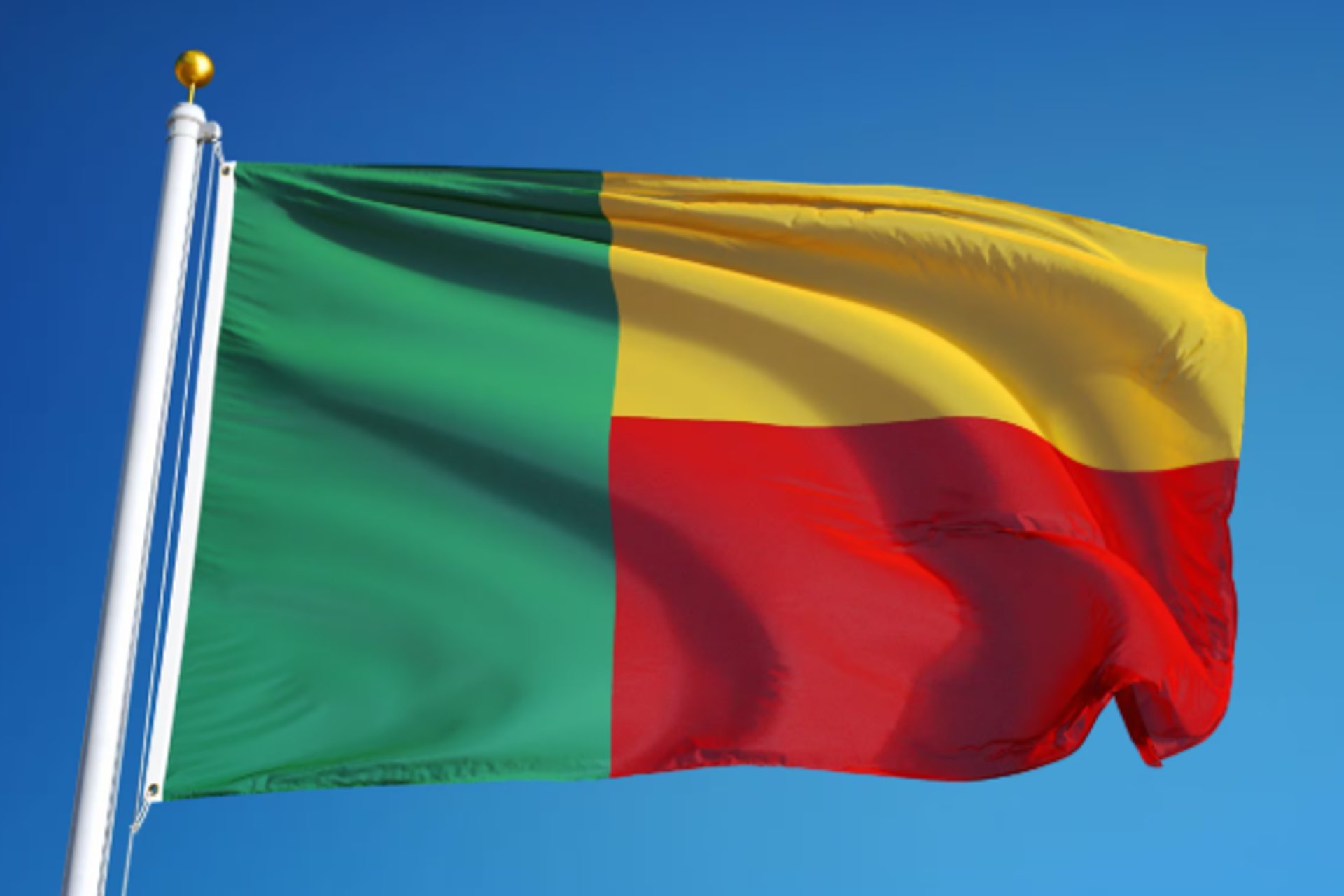
benin flag_timenownonline.com

Benin Time Now

Stay updated with the current time in Benin and plan your calls, travel, and business activities with confidence. Benin follows West Africa Time (WAT), which is UTC+1 throughout the year.

Benin does not observe daylight saving time, so the local time remains consistent across all regions year-round.

Whether you are coordinating with teams, planning a trip, or scheduling international meetings, understanding Benin time can help you stay organised and avoid confusion.

About Benin

Benin is a West African country known for its rich cultural heritage, historical kingdoms, vibrant traditions, and growing tourism industry. It is bordered by Togo to the west, Nigeria to the east, Burkina Faso and Niger to the north, and the Atlantic Ocean to the south. The capital city is Porto-Novo, while Cotonou serves as the country’s largest city and economic centre.

Benin follows West Africa Time (WAT), UTC+1, and does not observe daylight saving time, keeping the local time consistent throughout the year.

The country has a tropical climate in the south and a drier savannah climate in the north. Benin generally experiences warm temperatures year-round, with wet and dry seasons influencing travel and agricultural activities.

Benin is historically significant as the former Kingdom of Dahomey, one of West Africa’s most influential pre-colonial kingdoms. The country is also widely recognised as the birthplace of Vodun (Voodoo) culture, which remains an important part of Beninese traditions and festivals today.

Tourism in Benin includes historical sites, cultural festivals, wildlife reserves, beaches, and traditional markets. Popular attractions include the Royal Palaces of Abomey, a UNESCO World Heritage Site, Ganvié, the famous lake village built on stilts, and Pendjari National Park, known for safaris and wildlife.

Benin’s economy is supported by agriculture, cotton production, trade, fishing, transportation, and regional commerce. The Port of Cotonou plays an important role in trade across West Africa.

French is the official language of Benin, although many local languages such as Fon and Yoruba are widely spoken across different regions of the country.

With its mix of history, culture, wildlife, coastal scenery, and traditional heritage, Benin offers visitors a unique introduction to West African life and traditions.

Benin Quick Facts Table

aerial view of city buildings under cloudy sky during daytime

Benin operates on a single time zone nationwide, meaning the entire country follows the same local time across all cities and regions.

This keeps timekeeping simple and consistent throughout Benin, from the official capital city of Porto-Novo to major commercial areas such as Cotonou, Parakou, Abomey, and Djougou.

Benin follows West Africa Time (WAT), which is set at UTC+1 throughout the entire year.

Benin does not observe daylight saving time, so the local time remains stable year-round without seasonal clock changes.

Understanding Benin Time

Benin’s time system is aligned with several neighbouring West African countries that also use West Africa Time (WAT) or nearby UTC offsets.

Because Benin maintains a fixed time zone all year, international scheduling is often simpler compared to countries that change clocks seasonally.

Daily life in Benin typically starts in the morning, with businesses, schools, markets, banks, and government offices operating throughout the day, especially in busy cities like Cotonou and Porto-Novo.

For international coordination, knowing the current time in Benin is useful for planning:

  • Business meetings

  • International calls

  • Remote work schedules

  • Travel itineraries

  • Trade and shipping coordination

  • Online meetings and conferences

Since Benin remains on UTC+1 all year, the time difference with other countries may still shift seasonally when those countries enter or leave daylight saving time.

What Time Is It in Benin Right Now?

Benin Time vs Major World Cities

Benin follows West Africa Time (WAT) throughout the year and remains fixed at UTC+1.

Because Benin does not observe daylight saving time, international time differences may still shift slightly when other countries adjust their clocks seasonally.

Note: Benin stays on West Africa Time (WAT), UTC+1 all year and does not change clocks for daylight saving time. Time differences with cities such as London, Sydney, and New York may still vary slightly when those locations adjust their clocks seasonally.

Best Time to Call Benin

From Australia

Benin is several hours behind Australia, so planning calls in advance is important.

  • Sydney / Melbourne: Benin is usually 9–10 hours behind, depending on daylight saving time in Australia.

  • Brisbane: Benin is generally 9 hours behind.

  • Perth: Benin is usually 7 hours behind.

For business calls, aim for:

  • Late afternoon to evening in Australia (4:00 PM – 9:00 PM)
    to reach:

  • 7:00 AM – 12:00 PM in Benin

For the best overlap during business hours, try:

  • 5:00 PM – 8:00 PM Sydney time
    to reach:

  • 8:00 AM – 11:00 AM in Benin

From the United Kingdom

Benin is usually on the same time as the UK during British Summer Time (BST) and 1 hour ahead during GMT.

  • Call between 8:00 AM and 5:00 PM UK time
    to reach:

  • 8:00 AM – 6:00 PM in Benin

Business coordination between Benin and the UK is generally convenient because of the small time difference.

From the United States

Benin is significantly ahead of the United States, so timing depends on the region.

  • East Coast (New York): Benin is usually 5–6 hours ahead.

  • West Coast (Los Angeles): Benin is usually 8–9 hours ahead.

Recommended call times:

  • New York: Call between 3:00 AM and 11:00 AM ET

  • Los Angeles: Call between 12:00 AM and 8:00 AM PT

Morning calls in the US are often required to reach Benin during standard business hours.

From Asia

Many Asian countries are several hours ahead of Benin.

Recommended times:

  • Southeast Asia: 3:00 PM – 9:00 PM local time

  • Japan / South Korea: 4:00 PM – 10:00 PM local time

Afternoon and evening calls across Asia generally provide the best overlap.

From the Middle East

Benin shares manageable working-hour overlap with several Middle Eastern countries.

  • UAE: Benin is usually 3 hours behind.

  • Saudi Arabia / Kuwait / Qatar: Benin is usually 2 hours behind.

This allows practical coordination for business, travel, and international communication.

a group of people ride on boats with Tonlé Sap in the background

Famous Cities and Regions in Benin

  • Cotonou — The largest city and economic centre of Benin, known for busy markets, coastal districts, nightlife, and the country’s main port activities.

  • Porto-Novo — The official capital city of Benin, recognised for colonial architecture, museums, government institutions, and cultural heritage.

  • Parakou — A major northern city important for trade, transportation, agriculture, and regional commerce.

  • Abomey — A historic city famous for the Royal Palaces of Abomey, a UNESCO World Heritage Site connected to the former Kingdom of Dahomey.

  • Ouidah — A coastal town known for its history, beaches, Voodoo culture, museums, and the historic Route of the Slaves memorial sites.

  • Djougou — One of Benin’s largest northern cities, recognised for local markets, agriculture, and surrounding natural landscapes.

  • Natitingou — A scenic northwestern town popular for mountain views, eco-tourism, and access to the Atakora mountain region.

  • Grand-Popo — A peaceful coastal destination known for beaches, fishing villages, mangrove areas, and cultural tourism.

  • Pendjari National Park Region — One of West Africa’s most famous wildlife reserves, home to elephants, lions, antelope, and safari tourism.

  • Lokossa — A southern regional city known for farming communities, trade activity, and traditional Beninese culture.

Benin has a developing economy supported by agriculture, trade, transport, tourism, telecommunications, and regional commerce. The country’s business and commercial activities are mainly centred around Cotonou, which serves as Benin’s primary economic hub.

Beninese business sectors include:

  • Agriculture and cotton production

  • Trade and transportation services

  • Port and shipping industries

  • Tourism and hospitality

  • Telecommunications and technology services

  • Banking and financial services

  • Construction and infrastructure

  • Fishing and food production

Benin is part of the West African Economic and Monetary Union (WAEMU) and shares regional financial systems with several neighbouring West African countries.

Most business offices in Benin generally operate between 8:00 AM and 5:00 PM, Monday to Friday, while markets, restaurants, and tourism businesses may stay open later depending on the location and season.

Benin’s strategic West African location and access to regional trade routes make it an important connection point for commerce, logistics, tourism, and international business across the region.

Note: Benin follows West Africa Time (WAT), UTC+1 throughout the year and does not observe daylight saving time. Market hour differences with international exchanges may shift slightly when other countries adjust their clocks seasonally.

Stock Exchange and Business Hours in Benin

a building with a sign on the side of it

What Benin Is Famous For

  • Rich cultural heritage — Benin is widely recognised as the historical birthplace of the Kingdom of Dahomey, known for royal history, traditions, and cultural festivals.

  • Voodoo (Vodun) traditions — Benin is considered one of the spiritual homes of Vodun culture, with annual festivals and important religious ceremonies celebrated throughout the country.

  • Pendjari National Park — One of West Africa’s best wildlife reserves, famous for safaris, elephants, lions, antelope, and protected natural landscapes.

  • Historic city of Ouidah — A coastal town known for museums, colonial history, beaches, and the Route of the Slaves memorial sites.

  • Royal Palaces of Abomey — UNESCO World Heritage Sites that showcase the history of the former Dahomey Kingdom and traditional African architecture.

  • Traditional markets and crafts — Benin is known for colourful local markets, handmade textiles, wood carvings, bronze art, and cultural crafts.

  • Music and dance culture — Traditional drumming, dancing, and local festivals play an important role in Beninese daily life and celebrations.

  • Coastal beaches and fishing villages — Southern Benin features scenic Atlantic coastlines, fishing communities, and relaxed beach destinations.

  • Agriculture and cotton production — Benin is one of West Africa’s important cotton-producing countries, supporting trade and regional exports.

  • Warm and welcoming atmosphere — Visitors often describe Benin as friendly, culturally rich, peaceful, and full of local traditions.

Weather and Seasons in Benin

Benin has a tropical climate, meaning the country experiences warm temperatures, sunshine, humidity, and seasonal rainfall throughout most of the year.

Unlike countries with four distinct seasons, Benin generally experiences a dry season and a wet season, with temperatures remaining warm year-round.

☀️ Dry Season (November – April)

This is the most popular period for tourism, outdoor travel, and sightseeing activities.

  • Temperatures usually range from 24°C to 34°C

  • Lower humidity and less rainfall

  • Good conditions for safaris, markets, beaches, and travel

  • Popular season for festivals and cultural events

🌧️ Wet Season (May – October)

The wet season is warmer and more humid, with tropical rain showers becoming more common.

  • Temperatures often range from 25°C to 32°C

  • Increased humidity and rainfall

  • Green landscapes and fuller rivers

  • Farming and agriculture become especially active during this season

🌿 Overall Climate Experience

Benin enjoys warm tropical weather throughout the year, making it suitable for cultural tourism, wildlife experiences, markets, and coastal travel. Northern regions can feel hotter and drier, while southern coastal areas are usually more humid due to Atlantic Ocean influences.

Facts About Benin

  1. Benin uses West Africa Time (WAT), UTC+1. The country follows one official time zone nationwide.

  2. Benin does not observe daylight saving time. Local time remains stable throughout the year.

  3. Porto-Novo is the official capital city of Benin. Cotonou serves as the country’s largest city and economic centre.

  4. Benin is located in West Africa. It shares borders with Togo, Nigeria, Burkina Faso, and Niger.

  5. French is the official language of Benin. Many local languages are also spoken across different regions.

  6. Benin is known for Vodun (Voodoo) culture and traditions. Religious ceremonies and cultural festivals remain important parts of national heritage.

  7. Agriculture plays a major role in the economy. Cotton is one of Benin’s most important export products.

  8. Benin is home to important wildlife parks and historic sites. Attractions such as Pendjari National Park and the Royal Palaces of Abomey attract international visitors.

a group of people walking down a cobblestone street

Frequently Asked Questions About Benin

1. What time zone does Benin use?

Benin uses West Africa Time (WAT), which is set at UTC+1 throughout the year.

2. Does Benin observe daylight saving time?

No, Benin does not observe daylight saving time, so the local time remains the same year-round.

3. What is the capital city of Benin?

The official capital city of Benin is Porto-Novo, while Cotonou is the country’s largest city and economic centre.

4. What language is spoken in Benin?

The official language of Benin is French, although many local languages and regional dialects are also widely spoken.

5. What is Benin famous for?

Benin is known for its Vodun (Voodoo) culture, royal history, traditional markets, wildlife parks, and UNESCO heritage sites such as the Royal Palaces of Abomey.

6. What is the weather like in Benin?

Benin has a tropical climate with warm temperatures year-round, including a dry season and a wet season.

7. Is Benin a good travel destination?

Yes, Benin is popular for cultural tourism, beaches, wildlife parks, historic sites, and traditional festivals across West Africa.

8. What currency is used in Benin?

Benin uses the West African CFA franc (XOF) as its official currency.

map

Explore More Country Time Zones

🌍 Closest Time Zones (Same or Near)
  • Nigeria Time Now

  • Togo Time Now

  • Niger Time Now

🌐 Major Global Markets
🏛️ West Africa & Regional Connections
  • Ghana Time Now

  • Côte d’Ivoire Time Now

  • Burkina Faso Time Now

🤝 Nearby Regions & Trade Partners