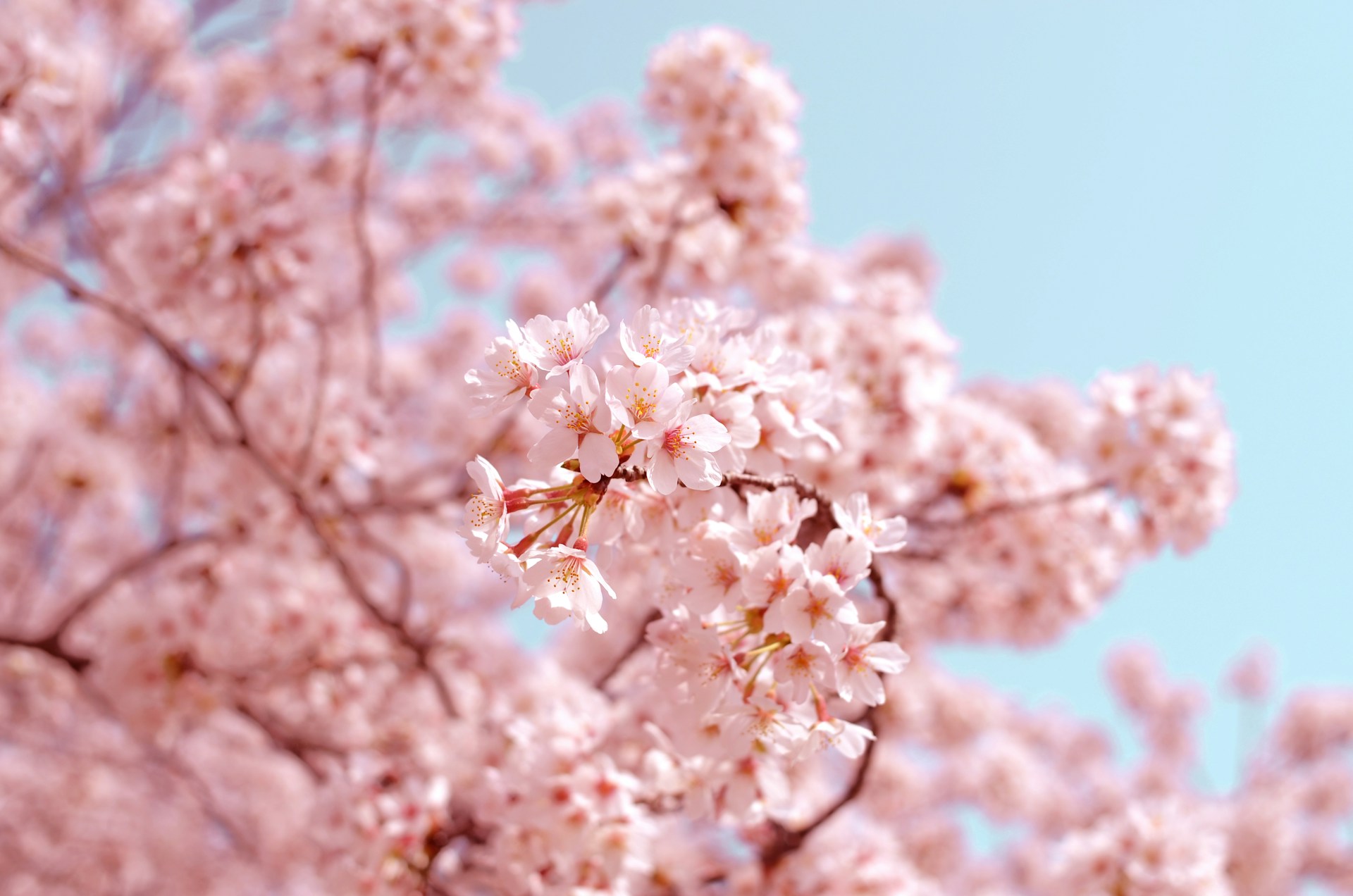
pink flowers

Japan Time Now

Check the exact current time in Japan (JST). Stay updated for travel, business, and international communication with accurate real-time Japan time.

About Japan

Japan is an island nation located in East Asia, situated in the northwestern Pacific Ocean. The country is made up of four main islands — Honshu, Hokkaido, Kyushu, and Shikoku — along with nearly 7,000 smaller islands that stretch across approximately 3,000 kilometres of ocean. With a population of around 125 million people, Japan is one of the most densely populated countries in the world, with the vast majority of its citizens concentrated in urban areas along the Pacific coastline.

Japan is one of the world's most technologically advanced nations. It consistently leads global innovation in automotive manufacturing, consumer electronics, robotics, and engineering. Companies like Toyota, Sony, Honda, Panasonic, Canon, and Nintendo were born in Japan and have become household names across the entire world. Japan's bullet train network — the Shinkansen — is considered one of the greatest engineering achievements in modern transportation history, connecting major cities at speeds exceeding 300 kilometres per hour with a safety record that is virtually unmatched globally.

The country has the third largest economy in the world by nominal GDP, behind only the United States and China. Tokyo, Japan's capital, is one of the world's most important financial centres and home to the Tokyo Stock Exchange, one of the largest stock exchanges by market capitalisation on the planet. Japan's economy is built on a foundation of advanced manufacturing, technology, finance, and a deeply ingrained culture of precision, quality, and continuous improvement — a philosophy known in Japanese as kaizen.

Japanese culture is one of the most distinctive and influential in the world. It is a culture built on a unique balance between deep reverence for tradition and an extraordinary embrace of modernity. Ancient temples, shrines, and centuries-old festivals exist alongside cutting-edge technology, anime studios, and some of the world's most innovative architecture. This coexistence of old and new gives Japan a cultural depth that is unlike anywhere else on earth.

Food is central to Japanese identity. Japanese cuisine — known as washoku — was added to the UNESCO Intangible Cultural Heritage list in 2013, recognising it as one of the world's great culinary traditions. Sushi, ramen, tempura, sashimi, yakitori, udon, and wagyu beef are just a small selection of dishes that have spread across the globe and influenced food culture worldwide. Japan also has more Michelin-starred restaurants than any other country in the world, with Tokyo alone holding more Michelin stars than Paris and New York combined.

The Japanese concept of omotenashi — a deep philosophy of wholehearted hospitality and service — shapes everything from how restaurants treat their guests to how businesses interact with customers. This dedication to service excellence has made Japan one of the world's most welcoming and well-organised destinations for international visitors. Tourism has grown dramatically in recent years, with Japan attracting tens of millions of visitors annually who come to experience everything from the neon lights of Tokyo to the ancient temples of Kyoto and the snow festivals of Hokkaido.

Nature plays a profound role in Japanese culture and daily life. The cherry blossom season — known as sakura — is one of the most celebrated natural events in the country, drawing millions of people to parks, riverbanks, and castle grounds every spring. Mount Fuji, the country's highest peak at 3,776 metres, is one of the most recognisable natural landmarks in the world and a symbol of Japan recognised globally. Japan also sits on the Pacific Ring of Fire, making it one of the most seismically active countries on earth, with thousands of earthquakes recorded every year and a long history of volcanic activity.

For international professionals and remote teams, Japan's time zone — Japan Standard Time at UTC+9 — places it at the forefront of the Asian business day. Tokyo opens for business before most other major financial centres in the region, making it an important early indicator for Asian markets and a key coordination point for companies operating across the Asia-Pacific region.

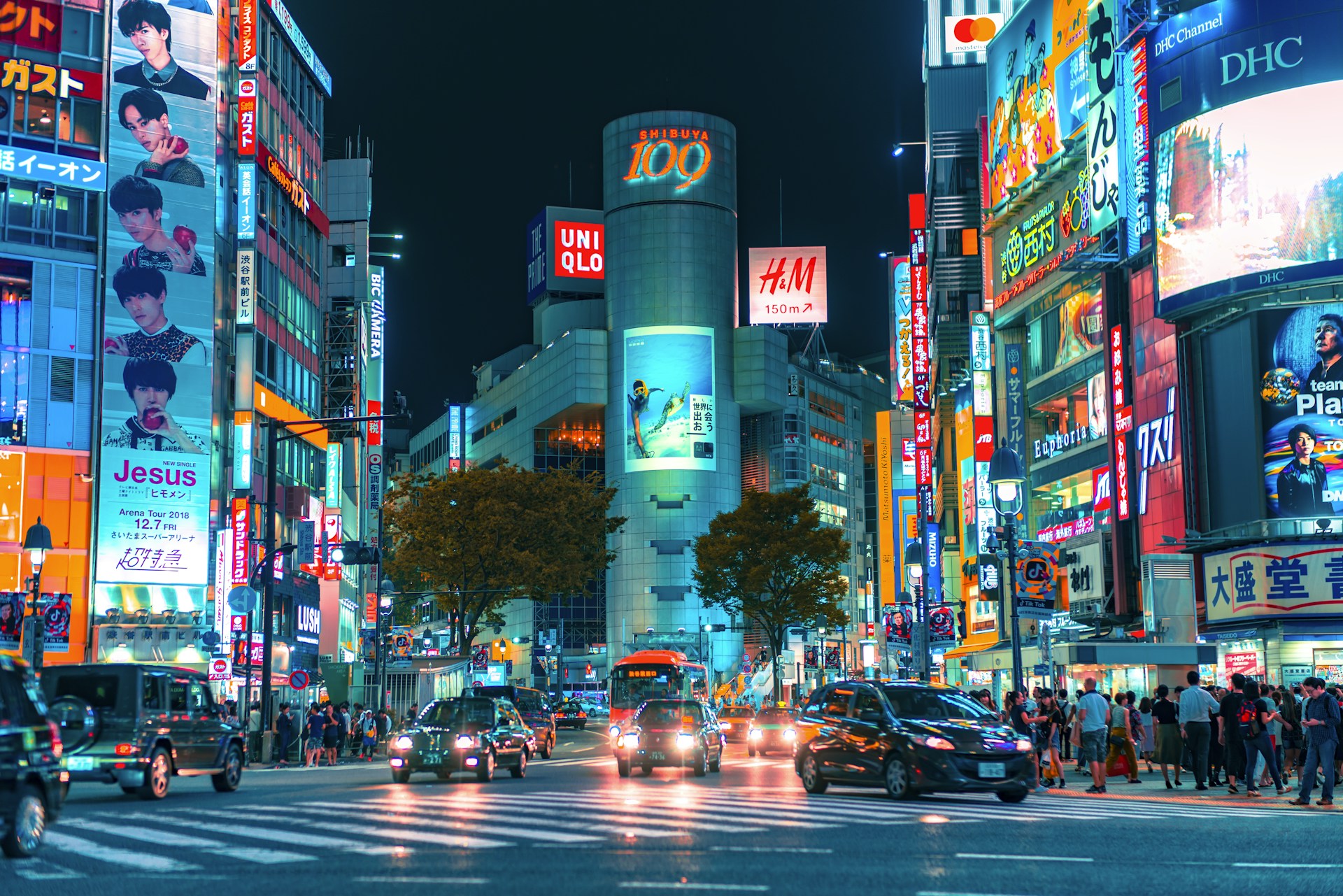
people gathered outside buildings and vehicles

Quick Facts About Japan

  • Country: Japan

  • Capital: Tokyo

  • Region: East Asia

  • Population: ~125 million

  • Time Zone: Japan Standard Time (JST)

  • UTC Offset: UTC +9

  • Daylight Saving Time: Not observed

  • Currency: Japanese Yen (JPY)

  • Language: Japanese

Major Cities in Japan

  • Tokyo – Capital and largest city, known for technology and culture

  • Osaka – Famous for food, nightlife, and business

  • Kyoto – Historic city with temples and traditional culture

  • Yokohama – Major port city near Tokyo

  • Sapporo – Known for snow festivals and winter sports

  • Fukuoka – A growing city with a modern vibe and food scene

Time Difference

Japan is ahead of many countries around the world:

  • Japan is +1 hour ahead of Sydney (during standard time may vary with DST)

  • Japan is +9 hours ahead of London

  • Japan is +14 hours ahead of New York (depending on DST)

  • Japan is +1 hour behind South Korea

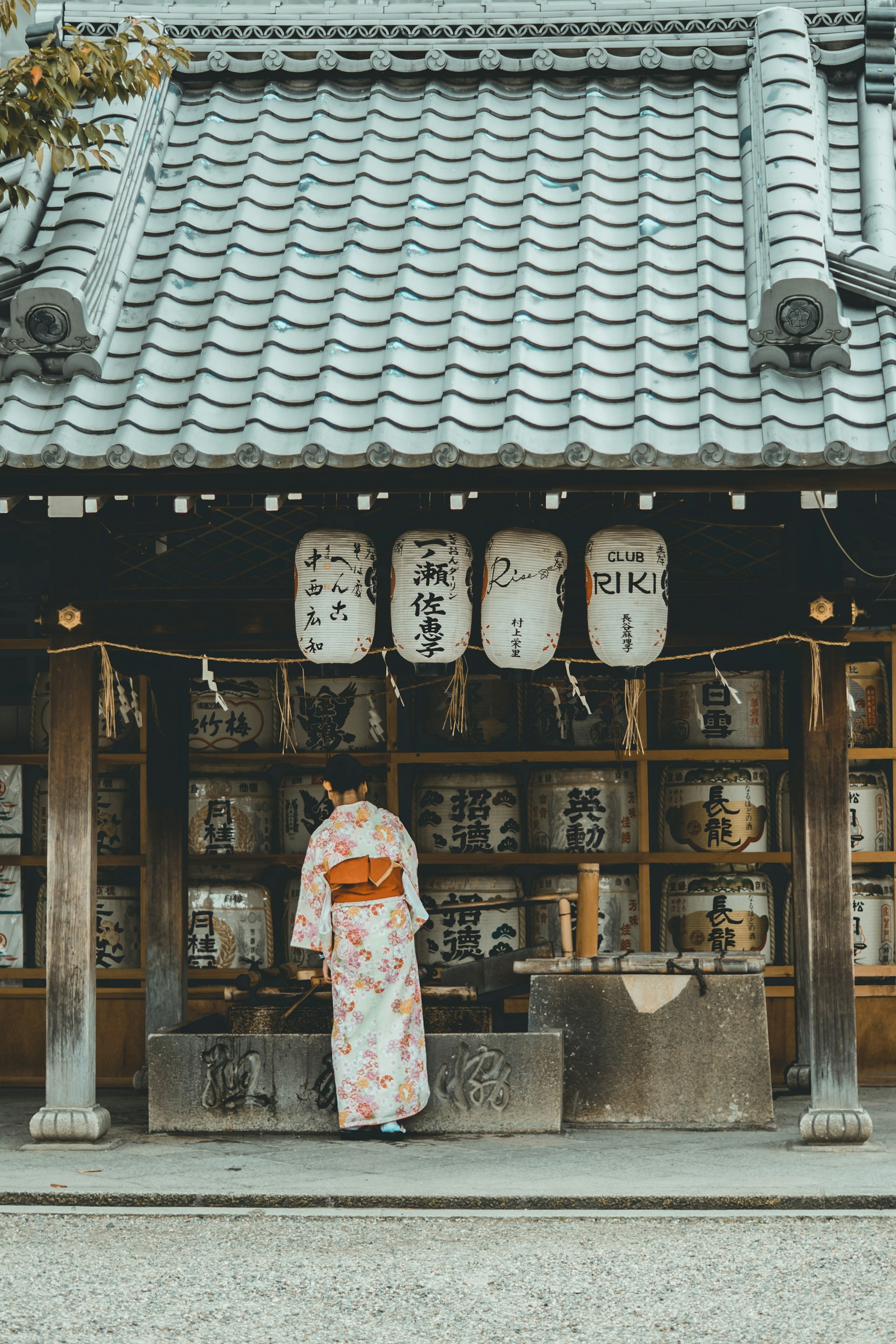
woman wearing orange and white kimono dress standing near the house

Japan's Most Famous Regions and Cities

Tokyo Tokyo is Japan's capital and the world's most populous metropolitan area, home to over 37 million people in the greater urban area. It is a city of extraordinary contrasts — ultramodern skyscrapers sit alongside centuries-old temples, and quiet residential neighbourhoods exist minutes away from some of the world's busiest intersections. Shibuya Crossing, often called the world's busiest pedestrian crossing, has become one of the most iconic images of modern urban life globally. Tokyo's food scene, nightlife, fashion, and technology culture make it one of the most visited cities in the world.

Kyoto Kyoto served as Japan's imperial capital for over a thousand years and remains the cultural and spiritual heart of the country. The city is home to over 1,600 Buddhist temples, 400 Shinto shrines, and 17 UNESCO World Heritage Sites. Landmarks like Fushimi Inari Taisha — famous for its thousands of vermillion torii gates — Kinkaku-ji (the Golden Pavilion), and the bamboo groves of Arashiyama draw millions of visitors every year. Kyoto is also the centre of traditional Japanese arts including tea ceremony, ikebana flower arranging, and Noh theatre.

Osaka Osaka is Japan's third largest city and its culinary capital. The city is famous for its warm, outgoing residents, its vibrant street food culture, and its historic Osaka Castle. Dotonbori, Osaka's famous entertainment and dining district, is lined with neon signs, restaurants, and street food stalls serving takoyaki (octopus balls) and okonomiyaki (Japanese savoury pancakes). Universal Studios Japan and the nearby ancient city of Nara — famous for its freely roaming deer — make Osaka a major base for tourism in the Kansai region.

Hiroshima Hiroshima is a city of deep historical significance. It was the site of the world's first atomic bomb attack on August 6, 1945, and has since rebuilt itself into a thriving, peaceful modern city. The Hiroshima Peace Memorial Park and Museum attract visitors from around the world and serve as a powerful reminder of the importance of peace. Nearby Miyajima Island, with its famous floating torii gate rising from the sea, is one of Japan's most photographed and celebrated landscapes.

Hokkaido Hokkaido is Japan's northernmost and largest island, known for its dramatic natural landscapes, world-class skiing, and some of the freshest seafood in the country. The Sapporo Snow Festival, held every February, draws millions of visitors to see extraordinary ice and snow sculptures. Hokkaido's wide open spaces, national parks, and clear air feel completely different from the dense urban environments of Honshu, offering a side of Japan that many visitors find equally captivating.

Japan Business Hours and Tokyo Stock Exchange Trading Times

Understanding business hours in Japan is essential for anyone coordinating with Japanese colleagues, clients, or partners internationally.

Standard Japanese Business Hours: Most Japanese companies and government offices operate Monday to Friday, 9 AM to 6 PM JST. Japan has a strong work culture and it is common for employees to remain at work significantly beyond official hours. Many businesses also operate on Saturdays, particularly in retail and hospitality.

Tokyo Stock Exchange (TSE) Trading Hours:

  • Morning session opens: 9:00 AM JST

  • Morning session closes: 11:30 AM JST

  • Afternoon session opens: 12:30 PM JST

  • Afternoon session closes: 3:30 PM JST

Note that the Tokyo Stock Exchange has a midday break, which is unusual among major global exchanges.

Japan Weather and Seasons

Japan's long narrow geography means it experiences a wide variety of climates from north to south. The four seasons are deeply embedded in Japanese culture, celebrated through food, festivals, clothing, and art throughout the year.

Spring (March – May) Spring is arguably the most celebrated season in Japan. The cherry blossom season — sakura — typically begins in late March in southern Japan and moves northward through April. Parks, riverbanks, and castle grounds across the country fill with people for hanami (flower viewing) picnics, one of Japan's most beloved traditions. Temperatures are mild and comfortable, ranging from 10°C to 20°C (50°F to 68°F) across most of the country.

Summer (June – August) Japanese summers are hot and humid, particularly in the major cities of Honshu. Tokyo regularly experiences temperatures above 35°C (95°F) in July and August, combined with high humidity that makes the heat feel intense. June marks the beginning of the tsuyu rainy season, which brings heavy rainfall across most of the country for several weeks. Summer is also the season of matsuri — traditional Japanese festivals featuring fireworks, dancing, and street food that take place in towns and cities across the country.

Autumn (September – November) Autumn in Japan is celebrated almost as enthusiastically as the cherry blossom season. The changing of the leaves — known as koyo — turns mountains, temple gardens, and city parks into vivid displays of red, orange, and gold from October through November. The autumn foliage season draws millions of domestic and international visitors to destinations like Nikko, Kyoto, and the Japanese Alps. Temperatures are comfortable, ranging from 10°C to 25°C (50°F to 77°F).

Winter (December – February) Japanese winters vary dramatically by region. Tokyo experiences cold but generally dry winters with occasional snowfall. Hokkaido in the north receives some of the heaviest snowfall of any populated region in the world, making it a world-class destination for skiing and snowboarding. The Japan Alps on Honshu also receive exceptional snowfall, attracting international skiers to resorts like Niseko and Hakuba. Winter is also the season for onsens — traditional Japanese hot spring baths — which are enjoyed across the country as a way to warm up and relax.

What Japan is Famous For

  • Mount Fuji – Japan's highest peak at 3,776 metres and one of the most iconic natural landmarks in the world, a UNESCO World Heritage Site

  • Shinkansen (Bullet Train) – The world's most famous high-speed rail network, connecting cities at over 300 km/h with an extraordinary safety record

  • Sushi and Japanese Cuisine – Washoku is a UNESCO-recognised culinary tradition; Tokyo has more Michelin stars than any other city on earth

  • Cherry Blossoms (Sakura) – The annual spring blooming of cherry trees is one of the world's most celebrated natural events

  • Anime and Manga – Japan is the global birthplace of anime and manga, cultural exports that have built massive international audiences

  • Technology and Innovation – Home to Toyota, Sony, Honda, Nintendo, Canon, and thousands of world-leading technology and manufacturing companies

  • Temples and Shrines – Over 80,000 Shinto shrines and Buddhist temples are spread across the country, including 17 UNESCO World Heritage Sites in Kyoto alone

  • Sumo Wrestling – Japan's national sport, with a history stretching back over 1,500 years and six major tournaments held annually

  • Kaizen Philosophy – The Japanese concept of continuous improvement has influenced business management practices worldwide

  • Onsens (Hot Springs) – Japan has thousands of natural hot spring baths, deeply embedded in the country's culture, health practices, and tourism

  • Ninja and Samurai History – Japan's feudal warrior history has captured the imagination of people worldwide through film, literature, and popular culture

  • Harajuku Fashion – Tokyo's Harajuku district is the global centre of avant-garde street fashion that has influenced designers and youth culture worldwide

  • Vending Machines – Japan has the highest density of vending machines in the world, selling everything from hot food and drinks to umbrellas and electronics

  • Cleanliness and Order – Japan is globally recognised for its extraordinary public cleanliness, safety, and civic order, even in its largest and most densely populated cities

mountain near city

Interesting Time Facts About Japan

  • Japan is one of the very few developed nations in the world that does not observe daylight saving time, meaning JST stays fixed at UTC+9 every single day of the year without exception

  • Japan was one of the earliest countries in Asia to adopt a standardised national time zone, doing so in 1886 during the Meiji era as part of the country's rapid modernisation program

  • Despite its geographic width, Japan uses a single national time zone for the entire country — a deliberate policy choice that simplifies national coordination and reflects Japan's strong sense of national unity

  • The Tokyo Stock Exchange opens before most other major Asian exchanges, making Tokyo one of the first major financial markets to set the tone for the Asian trading day each morning

  • Japan sits so far east that when it is noon in Tokyo, it is still only 3 AM in London and 10 PM the previous evening in New York — highlighting just how far ahead of the Western world Japan begins each business day

  • The concept of "Japanese time" is well known internationally as a standard of punctuality — trains in Japan are delayed by an average of less than one minute, and public apologies are issued for delays of even 30 seconds

Frequently asked questions

What time zone is Japan in?

Japan is in Japan Standard Time (JST), which is UTC+9. This means Japan is 9 hours ahead of Coordinated Universal Time (UTC) and does not shift during any part of the year.

What is the time difference between Japan and Australia?

Japan is 1 to 2 hours behind Sydney depending on whether Australia is observing daylight saving time. During Australian Eastern Standard Time (AEST, UTC+10), Sydney is 1 hour ahead of Tokyo. During Australian Eastern Daylight Time (AEDT, UTC+11), Sydney is 2 hours ahead of Tokyo.

Does Japan observe daylight saving time?

No. Japan does not observe daylight saving time. The clocks in Japan never change, meaning JST stays fixed at UTC+9 throughout the entire year. This makes Japan one of the easiest countries in the world to schedule with, as the time offset never changes.

What is the time difference between Japan and Singapore?

Japan is 1 hour ahead of Singapore. Singapore observes SGT at UTC+8 year-round, while Japan observes JST at UTC+9 year-round. Since neither country observes daylight saving time, this 1-hour difference never changes.

What is the time difference between Japan and the United States?

Japan is typically 13 to 14 hours ahead of New York (Eastern Time) depending on whether the US is observing daylight saving time. Japan is 16 to 17 hours ahead of Los Angeles (Pacific Time) depending on US daylight saving time.

What is the time difference between Japan and the United Kingdom?

Japan is 9 hours ahead of the United Kingdom during GMT (winter) and 8 hours ahead during BST (British Summer Time) from late March to late October. Since Japan does not observe DST, the difference changes only when the UK adjusts its clocks.

What is the time difference between Japan and India?

Japan is 3.5 hours ahead of India. India observes Indian Standard Time (IST) at UTC+5:30 year-round without daylight saving time. Japan at UTC+9 is therefore always 3 hours and 30 minutes ahead of India throughout the entire year.

What is the best time to call Japan from the United States?

The best time to call Japan from the US East Coast is early morning in New York, between 7 AM and 9 AM EST, which corresponds to late evening in Tokyo (9 PM to 11 PM JST). Alternatively, calling in the US evening between 7 PM and 9 PM EST corresponds to early morning in Tokyo the following day (9 AM to 11 AM JST), which falls within Japanese business hours.

What is the best time to call Japan from the United Kingdom?

The best time to call Japan from the UK is early morning in London between 8 AM and 10 AM GMT, which corresponds to 5 PM to 7 PM JST in Tokyo — the end of the Japanese business day. This is the most practical overlap window for UK-Japan business communication.

Does all of Japan use the same time zone?

Yes. Unlike large countries such as the United States, Russia, or Australia, Japan uses a single national time zone — Japan Standard Time (JST) at UTC+9 — across the entire country. This applies to all four main islands and all territories, making nationwide scheduling and coordination straightforward.

Why doesn't Japan use daylight saving time?

Japan experimented with daylight saving time briefly after World War Two under the US occupation from 1948 to 1951, but abolished it due to widespread public opposition. Critics argued it disrupted sleep, increased overwork, and provided minimal energy savings in Japan's climate and latitude. Despite periodic proposals to reintroduce it, Japan has maintained its fixed time zone ever since.

What is JST?

JST stands for Japan Standard Time. It is the official time zone of Japan, set at UTC+9, meaning Japan is 9 hours ahead of Coordinated Universal Time. JST is used uniformly across the entire country and does not change at any point during the year.

What major cities share the same time zone as Japan?

Several major cities and regions share the same UTC+9 time zone as Japan, including Seoul in South Korea, Pyongyang in North Korea, and parts of eastern Russia including Yakutsk. However, Japan Standard Time is unique to Japan — South Korea uses Korea Standard Time (KST) and Russia uses its own regional designations, even though the UTC offset is the same.

Time Now Online

Time Now Online delivers accurate, real-time local time for cities, countries, and time zones worldwide. Compare time zones, convert time instantly, and plan meetings with ease using our fast, free tools.

About Us

Legal

© 2026. All rights reserved.

Time data is based on standard global time zone databases and updates automatically.

Places & Seasons

time & meetings