A red white and blue flag flying in the sky

Netherlands Time Now

Stay updated with the current time in the Netherlands and plan your calls, travel, and business activities with confidence. The Netherlands follows Central European Time (CET) at UTC+1, and switches to Central European Summer Time (CEST) at UTC+2 during daylight saving.

This means the time changes seasonally, usually from late March to late October.

Whether you are coordinating with teams, planning a trip, or scheduling international meetings, understanding the Netherlands time zone can help you avoid confusion and stay organised.

About Netherlands

The Netherlands is a modern and vibrant country in Western Europe, known for its rich history, innovative spirit, and strong cultural identity. Located along the North Sea, the Netherlands plays an important role as a gateway to Europe, making it a key hub for trade, travel, and international business. Despite its relatively small size, the country offers a wide range of experiences—from historic cities and scenic canals to world-class museums and picturesque countryside.

The capital city, Amsterdam, is the cultural and financial heart of the country. It blends historic charm with a modern lifestyle, featuring iconic canals, narrow houses, and renowned museums such as the Rijksmuseum and the Van Gogh Museum. Beyond Amsterdam, cities like Rotterdam, The Hague, and Utrecht contribute to the country’s economic and cultural life, while destinations such as Delft and Haarlem are known for their historic architecture and relaxed atmosphere.

The Netherlands has a long and fascinating history shaped by trade, exploration, and innovation. During the Dutch Golden Age in the 17th century, it became one of the world’s leading maritime and economic powers. This period brought wealth, cultural growth, and global influence, which can still be seen today in its architecture, art, and institutions. Influences from across Europe and beyond have helped shape the Netherlands into a diverse and forward-thinking society.

Culturally, the Netherlands is known for its openness, creativity, and progressive values. Dutch is the official language, but English is widely spoken, especially in cities and business settings. This international outlook is reflected in Dutch art, design, and daily life. The country is famous for artists such as Rembrandt and Van Gogh, as well as its modern contributions to design, architecture, and technology. Traditional foods like stroopwafels, cheese, and herring remain popular, alongside a diverse international cuisine.

The geography of the Netherlands is unique and carefully managed. Much of the country lies below sea level, with an extensive system of dikes, canals, and water management infrastructure protecting the land from flooding. The landscape features flat plains, rivers, and coastal areas, along with iconic windmills and tulip fields that attract visitors each year. This innovative approach to land and water management is one of the country’s defining characteristics.

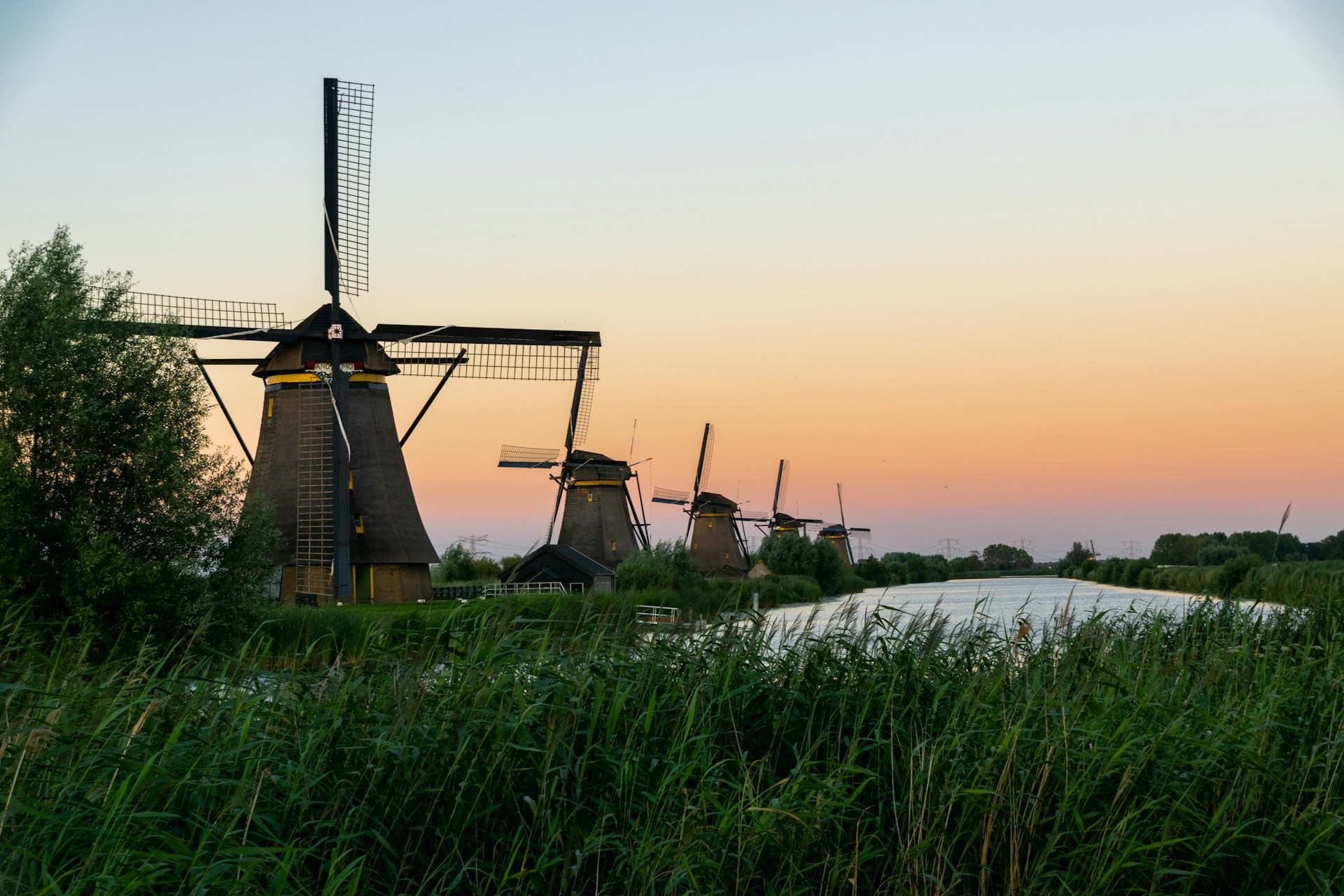
The countryside is just as appealing as the cities, offering scenic views and charming villages. Areas like Kinderdijk and Zaanse Schans showcase traditional windmills and Dutch heritage, while regions such as Lisse are famous for colourful tulip fields during spring. Cycling is a major part of daily life, with well-developed bike paths making it easy to explore both urban and rural areas.

The Netherlands’ economy is highly developed and globally connected, supported by key sectors such as trade, logistics, technology, finance, and agriculture. The Port of Rotterdam is one of the largest in the world, playing a vital role in international trade. The country is also known for its advanced agricultural techniques, making it one of the leading exporters of food products despite its size.

Daily life in the Netherlands reflects a balance between efficiency and quality of life. Cities are well-organised, public transport is reliable, and cycling is widely used for commuting. The Dutch place a strong emphasis on work-life balance, with a culture that values both productivity and personal well-being. Social life often centres around cafés, markets, and outdoor activities, especially during warmer months.

The Netherlands experiences a temperate maritime climate, with mild summers and cool winters. Rainfall is spread throughout the year, and the weather can change quickly, making it common to experience multiple conditions in a single day. This climate supports the country’s green landscapes and agricultural productivity.

Overall, the Netherlands is a country that combines historical heritage, modern innovation, and natural beauty. Its strategic location, global outlook, and well-developed infrastructure make it an important player in Europe and beyond. Whether exploring vibrant cities, cycling through the countryside, or learning about its rich history, the Netherlands offers a unique and engaging experience.

Netherlands Quick Facts Table

black bicycle leaning on black metal fence

The Netherlands operates on a single time zone nationwide, meaning the entire country follows the same clock regardless of location.

This makes timekeeping simple and efficient. From the capital Amsterdam to major cities like Rotterdam, The Hague, and Utrecht, the time remains consistent across the country.

Because the Netherlands observes daylight saving time, the UTC offset changes during the year. The country runs on UTC+1 (Central European Time – CET) in winter and shifts to UTC+2 (Central European Summer Time – CEST) in summer.

Understanding Netherlands Time

The Netherlands’ time system is shaped by its position in Western Europe, aligning it with Central European Time (CET) used by many neighbouring countries.

During winter months, the Netherlands runs on UTC+1, and in summer, it shifts to UTC+2 due to daylight saving time. This change typically occurs from late March to late October.

Daily life in the Netherlands follows a structured European schedule, with mornings usually starting around 8–9 AM and businesses operating throughout the day. The daylight saving system allows for longer evenings in summer, supporting outdoor activities, tourism, and social life.

For international coordination, it’s important to note that the Netherlands’ time difference may vary depending on the season. This is especially relevant when working with countries that do not observe daylight saving time.

What Time Is It in the Netherlands Right Now?

Netherlands Time vs Major World Cities

The Netherlands follows Central European Time (CET) at UTC+1 during standard time and Central European Summer Time (CEST) at UTC+2 during daylight saving time. Because the Netherlands observes daylight saving time, the time difference with other countries may change throughout the year.

Note: The Netherlands observes daylight saving time, so time differences may shift slightly throughout the year, especially when countries change their clocks on different dates.

Best Time to Call Netherlands

From Australia
The Netherlands is significantly behind Australia in terms of time zones, so planning ahead is important.
  • Sydney / Melbourne: Netherlands is 8–10 hours behind, depending on daylight saving in both regions.

  • Brisbane: Netherlands is 8–9 hours behind.

  • Perth: Netherlands is 6–7 hours behind.

For business calls, aim for late afternoon to evening in Australia (5:00 PM – 10:00 PM) to reach 9:00 AM – 5:00 PM in the Netherlands.

From the United Kingdom

The Netherlands is usually 1 hour ahead of the UK, but can be the same time during certain daylight saving transitions.

  • Call between 8:00 AM and 4:00 PM UK time to reach 9:00 AM – 5:00 PM in the Netherlands.

This makes the Netherlands easy to coordinate with during standard working hours.

From the United States

The United States is several hours behind the Netherlands, so timing is important.

  • East Coast (New York): Netherlands is 5–6 hours ahead — call between 3:00 AM and 11:00 AM ET to reach 9:00 AM – 5:00 PM in the Netherlands.

  • West Coast (Los Angeles): Netherlands is 8–9 hours ahead — call between 12:00 AM and 8:00 AM PT.

Early morning calls in the U.S. are usually required.

From Asia

Asia is generally ahead of the Netherlands, but there is still workable overlap.

  • Singapore / Malaysia / China: Netherlands is 6–7 hours behind — call between 3:00 PM and 11:00 PM local time to reach 9:00 AM – 5:00 PM in the Netherlands.

  • Japan / South Korea: Netherlands is 7–8 hours behind — call between 4:00 PM and 12:00 AM local time.

Late afternoon to evening in Asia works best.

From the Middle East

The Middle East is a few hours ahead of the Netherlands, making coordination easier.

  • Countries like the UAE and Saudi Arabia are typically 2–3 hours ahead.

  • Call between 11:00 AM and 7:00 PM local time to reach standard business hours in the Netherlands.

green grass field near body of water during sunset

Famous Cities and Regions in Netherlands

  • Amsterdam — The capital and largest city; known for its iconic canals, museums, vibrant nightlife, and rich cultural heritage.

  • Rotterdam — A modern port city famous for its innovative architecture and one of the world’s largest harbours.

  • The Hague (Den Haag) — The political centre of the Netherlands, home to the Dutch government, royal family, and international courts.

  • Utrecht — A historic city known for its medieval old town, unique canal system, and lively student atmosphere.

  • Eindhoven — A technology and design hub, recognised for innovation and as the home of major tech companies like Philips.

  • Delft — A charming historic city famous for its blue pottery (Delftware) and picturesque canals.

  • Haarlem — A scenic city near Amsterdam known for its historic architecture, art museums, and relaxed atmosphere.

  • Maastricht — A southern city known for its European charm, historic buildings, and cultural festivals.

  • Kinderdijk — A UNESCO World Heritage Site famous for its traditional windmills and water management system.

  • Zaanse Schans — A popular heritage area showcasing historic windmills, wooden houses, and Dutch craftsmanship.

The Netherlands has a highly developed economy, with its primary stock exchange being Euronext Amsterdam, one of Europe’s major financial markets. It plays an important role in international trading and investment.

The country’s economy is driven by sectors such as trade, logistics, technology, finance, agriculture, and services. Its strategic location and strong infrastructure make it a key gateway for business within Europe and globally.

Standard business hours in the Netherlands typically run from 9:00 AM to 5:00 PM, Monday to Friday, although some offices may start earlier or finish later. Retail stores in major cities often have extended hours, while smaller businesses may close earlier or operate reduced hours on Sundays depending on local regulations.

Note: Netherlands observes daylight saving time, so market hour differences may shift throughout the year when clocks change across Europe, the UK, and the United States.

Stock Exchange and Business Hours in Netherlands

white boat on river between buildings during daytime

What Netherlands Is Famous For

  • Canals and waterways — Amsterdam’s iconic canal system is a UNESCO World Heritage site and a symbol of Dutch engineering and urban design.

  • Windmills — Traditional windmills, especially in places like Kinderdijk, showcase the country’s history of water management and innovation.

  • Tulips and flower fields — The Netherlands is world-famous for its colourful tulip fields and flower exports, particularly in spring.

  • Cycling culture — Known as one of the most bike-friendly countries in the world, with extensive cycling paths and infrastructure.

  • Dutch art and history — Home to famous artists like Rembrandt and Van Gogh, with world-class museums such as the Rijksmuseum and Van Gogh Museum.

  • Modern cities — Cities like Amsterdam, Rotterdam, and The Hague combine historic charm with modern architecture and global business hubs.

  • Cheese and food culture — Renowned for cheeses like Gouda and Edam, along with a growing international food scene.

  • Innovative water management — A global leader in flood control and land reclamation, with much of the country below sea level.

  • High quality of life — Known for safety, sustainability, excellent infrastructure, and strong work-life balance.

Weather and Seasons in Netherlands

The Netherlands has a temperate maritime climate, meaning mild summers, cool winters, and frequent rainfall throughout the year. The weather can change quickly, and conditions are influenced by the North Sea.

Unlike tropical countries, the Netherlands has four distinct seasons: summer, autumn, winter, and spring, each offering different experiences.

🌞 Summer (June – August)

Summer in the Netherlands is characterised by mild to warm temperatures, longer daylight hours, and occasional sunshine.

Temperatures typically range from 18°C to 25°C, though warmer days can occur during heatwaves. Coastal areas tend to be cooler due to sea breezes.

This is a popular time for cycling, canal tours, festivals, and outdoor dining, especially in cities like Amsterdam and Utrecht.

🍂 Autumn (September – November)

Autumn brings cooler temperatures and colourful landscapes, with falling leaves and a quieter atmosphere.

Temperatures range from 10°C to 18°C, with increasing rainfall as the season progresses.

It’s a great time for museum visits, cultural experiences, and exploring cities without peak tourist crowds.

❄️ Winter (December – February)

Winter in the Netherlands is typically cold, damp, and often cloudy, with shorter daylight hours.

Temperatures usually range from 0°C to 7°C, and while snowfall is not always heavy, occasional snow and frost can occur.

Winter is known for Christmas markets, cosy cafés, and seasonal events, and in colder years, canals may freeze for ice skating.

🌷 Spring (March – May)

Spring is one of the best times to visit, with mild temperatures and blooming flowers across the country.

Temperatures range from 8°C to 18°C, gradually warming as summer approaches.

This season is famous for tulip fields, especially in regions like Keukenhof, making it a peak time for tourism and photography.

Facts About Netherlands

  1. Netherlands uses Central European Time (CET/CEST) (UTC+1 / UTC+2). The country follows Central European Time and switches to Central European Summer Time during daylight saving.

  2. Daylight saving time is observed. Clocks move forward in spring and back in autumn, changing the UTC offset seasonally.

  3. Aligned with Central Europe. The Netherlands shares its time zone with countries like Germany, Belgium, France, and Austria.

  4. One country, one time zone. Despite its geographic spread, the Netherlands operates on a single unified time zone nationwide.

  5. Seasonal daylight variation. The Netherlands experiences long daylight hours in summer and shorter days in winter, typical of Northern Europe.

  6. Strong connection with global markets. Its time zone supports coordination with major European economies and international financial hubs.

  7. Time differences shift during the year. Because of daylight saving time, coordination with countries outside Europe may vary depending on the season.

white ship near bridge

Frequently Asked Questions About Netherlands

1. What time zone does the Netherlands use?
The Netherlands uses Central European Time (CET), which is UTC+1, and switches to Central European Summer Time (CEST) or UTC+2 during daylight saving.

2. Does the Netherlands observe daylight saving time?
Yes, the Netherlands observes daylight saving time. Clocks move forward by one hour in late March and move back in late October.

3. Is the time the same across the Netherlands?
Yes, the entire country follows a single time zone, so the time is consistent in all cities, including Amsterdam, Rotterdam, and The Hague.

4. How far ahead is the Netherlands compared to the UK?
The Netherlands is usually 1 hour ahead of the United Kingdom, but both countries may have the same time during certain daylight saving transitions.

5. How does Netherlands time compare to Australia?
The Netherlands is typically 8 to 10 hours behind Australia, depending on the city and whether daylight saving is in effect.

6. How does Netherlands time compare to the United States?
The Netherlands is generally 6 hours ahead of New York (Eastern Time) and 9 hours ahead of Los Angeles (Pacific Time), though this can vary slightly during daylight saving changes.

7. Why does the time difference with other countries change during the year?
The time difference changes because the Netherlands observes daylight saving time, and other countries may switch their clocks on different dates.

8. What is the best time to call the Netherlands from other countries?
The best time to call the Netherlands is during 9:00 AM to 5:00 PM local time (CET/CEST). For international calls, late afternoon or evening in Asia and early morning in the United States usually provide the best overlap with Dutch business hours.

brown and black beaded necklace

Explore More Country Time Zones

🌍 Closest Time Zones (Same or Near)

🌍 Europe Connections