In a connected world where people work, travel, and communicate across continents, knowing the best time to call someone in another country is more important than ever. Because of time zones, calling someone at the wrong hour can easily wake them up or interrupt their workday.
Understanding global time differences can help businesses, remote workers, and travelers communicate more effectively. In this guide, we’ll explain how to determine the best time to call different countries and how time zones affect global communication.
Why Time Zones Matter When Calling Internationally
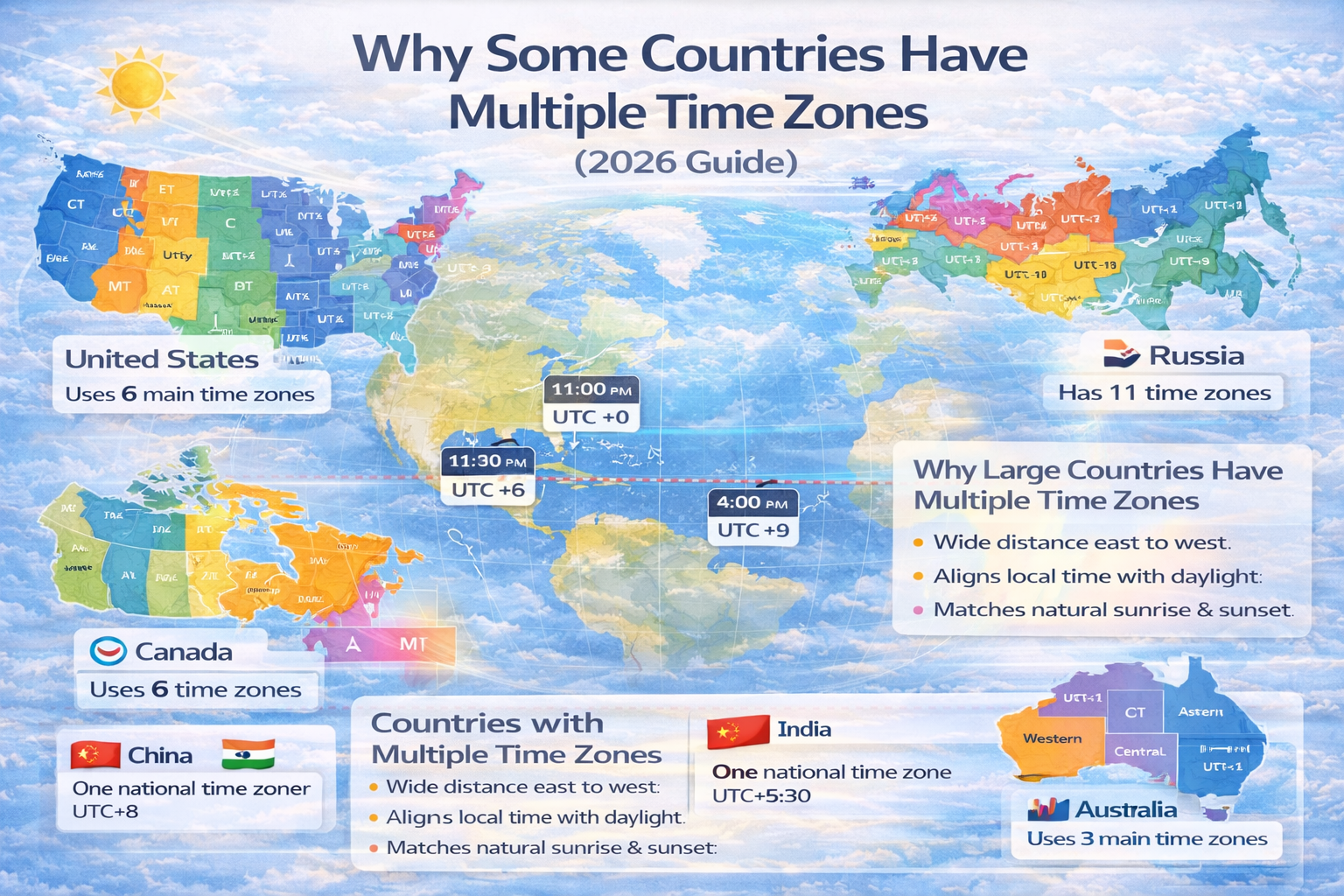
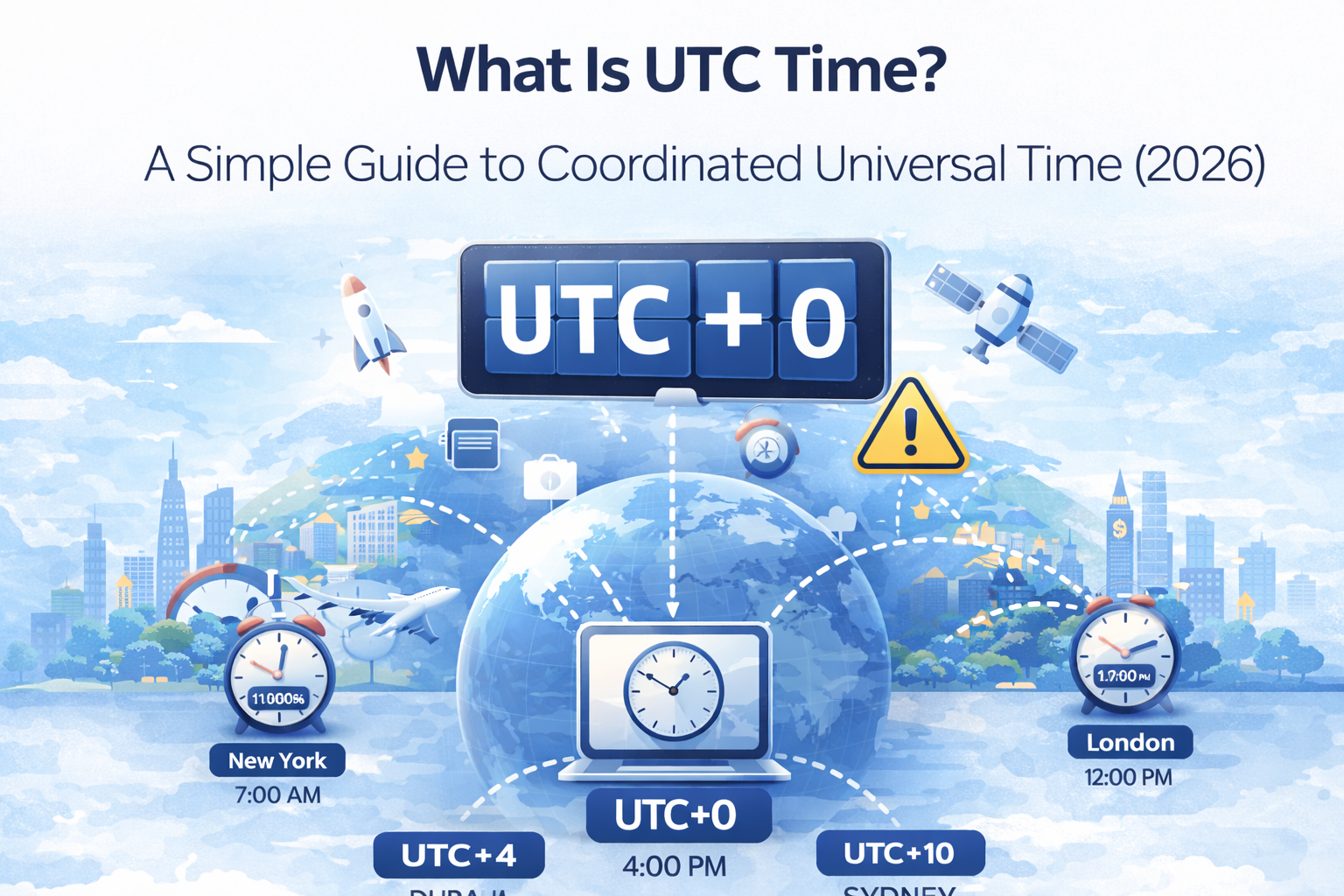
The Earth is divided into multiple time zones to reflect the rotation of the planet. When it is morning in one part of the world, it may already be evening in another.
For example:
- When it is 9:00 AM in London, it is 4:00 PM in Tokyo
- When it is 10:00 AM in New York, it is 11:00 PM in Sydney
- When it is 2:00 PM in Dubai, it is 7:00 PM in Singapore
Because of these differences, choosing the right time to call someone internationally requires understanding both time zones and local working hours.
Typical Business Hours Around the World
Most countries follow similar business hours, typically between 9:00 AM and 5:00 PM local time. However, these hours can vary slightly depending on culture and industry.
Common global working hours include:
- 9:00 AM – 5:00 PM
- 9:00 AM – 5:30 PM
- 9:00 AM – 6:00 PM
Middle East
- 8:00 AM – 4:00 PM
If you’re calling someone for business purposes, it is usually best to schedule your call during these hours.
Best Time to Call Major Regions
Calling Europe
If you are calling Europe from other parts of the world:
Best times:
- North America: Early morning
- Asia: Late afternoon or evening
- Australia: Evening
Example:
When it is 8:00 AM in New York, it is 1:00 PM in London, making it a good time to call.
Calling North America
Best times:
Example:
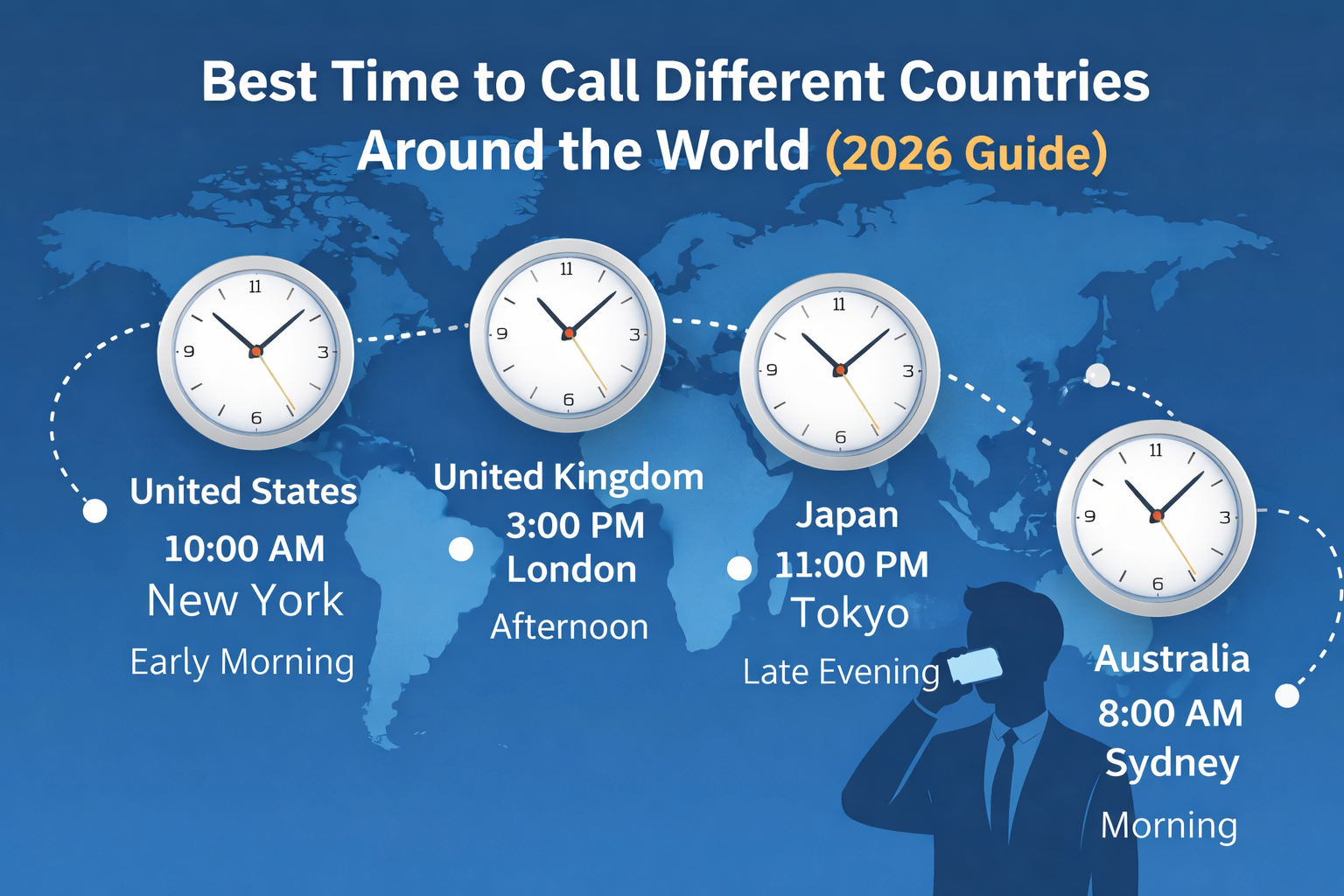
When it is 3:00 PM in London, it is 10:00 AM in New York.
Calling Asia
Best times:
- Europe: Morning
- North America: Late evening
- Australia: Similar daytime hours
Example:
When it is 9:00 AM in London, it is 5:00 PM in Singapore.
Calling Australia
Australia’s time zone is significantly ahead of most of the world.
Best times:
- Europe: Early morning
- North America: Late afternoon
- Asia: Midday
Example:
When it is 4:00 PM in Los Angeles, it is 9:00 AM in Sydney the next day.
Tips for Scheduling International Calls
Here are a few helpful tips to avoid calling someone at the wrong time.
Check the Local Time First
Before placing a call, check the current local time in the country you are contacting.
Consider Weekends
Some countries have different weekend schedules. For example:
- Middle Eastern countries may observe Friday–Saturday weekends.
Use Time Zone Tools
Online tools and global clock websites help you instantly see the time in different locations.
Websites like TimeNowOnline allow you to quickly check the current time in cities and countries worldwide.
How Businesses Manage Global Time Differences
International companies often coordinate meetings across multiple time zones. To make scheduling easier, many teams look for overlapping working hours.
For example:
- London and New York have about 5 hours of overlapping work time
- Singapore and Sydney share similar business hours
- Europe and Asia usually overlap in the late afternoon
Finding overlapping hours helps companies hold meetings without forcing employees to work extremely early or late.
Why Accurate Time Information Is Important
Accurate timekeeping is essential for:
- International business meetings
- Travel schedules
- Global financial markets
- Online events and webinars
- Remote work coordination
Even a small mistake in time zone calculation can lead to missed meetings or confusion.
That’s why many people rely on global time websites to check current time and time differences instantly.
Conclusion
Calling someone in another country requires more than simply dialing the number. Time zones, working hours, and regional schedules all play a role in choosing the best time to connect.
By understanding global time differences and checking local times before making a call, you can communicate more effectively across continents.
Whether you’re coordinating business meetings, talking to family overseas, or planning travel, knowing the right time to call helps make international communication smoother.