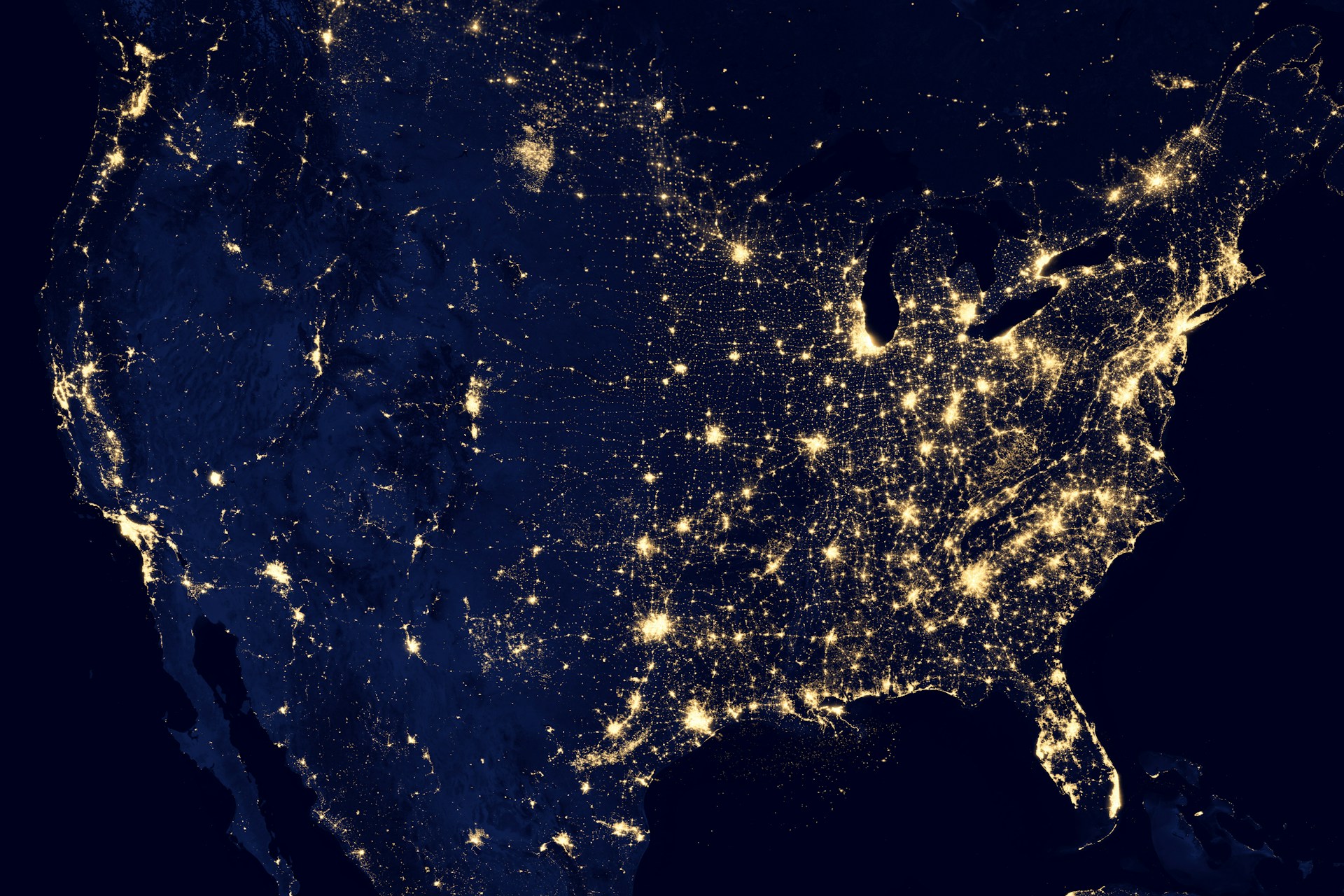
aerial photography of city during night time

United States Time Now

The United States spans six time zones across the country. Find the current local time for your region and plan your meetings, travel, and international calls with confidence. Whether you are on the East Coast, West Coast, or anywhere in between, accurate US time information is right here.

About United States of America

The United States of America is the world's third largest country by area and the third most populous nation on earth, home to more than 330 million people spread across 50 states, a federal district, and several territories. From the Atlantic coastline of the East Coast to the Pacific shores of California and the volcanic islands of Hawaii, the country encompasses an extraordinary range of landscapes, climates, cultures, and economies within a single nation.

The United States is the world's largest economy by nominal GDP, accounting for roughly a quarter of global economic output. It is home to the world's most influential financial markets, including the New York Stock Exchange and NASDAQ, and serves as the global headquarters for many of the world's most powerful technology, media, finance, and consumer companies. Silicon Valley in California remains the global centre of the technology industry, while Wall Street in New York drives international capital markets and sets the tone for global trading every single business day.

The country was founded in 1776 following independence from Britain and was built on a federal system of government that divides power between a central national government and 50 individual state governments. This structure means that laws, taxes, and even time zone observance can vary significantly from one state to another. The US Constitution, Bill of Rights, and democratic institutions have influenced governance systems around the world for nearly 250 years and continue to serve as a model for democratic governance globally.

American culture has had an unparalleled global reach throughout the twentieth and twenty-first centuries. Hollywood in Los Angeles produces the most widely distributed films and television content in the world. American music genres — from jazz and blues to rock, hip-hop, and country — have shaped popular music on every continent. American universities, including Harvard, MIT, Stanford, and Yale, attract students and researchers from every country and consistently rank among the world's finest academic institutions. American technology companies including Apple, Google, Microsoft, Amazon, and Meta have fundamentally changed how the world communicates, works, shops, and accesses information.

The diversity of the United States is one of its most defining characteristics. Immigration from every part of the world has shaped the country's culture, cuisine, language, and identity across its entire history. Major cities like New York, Los Angeles, Chicago, Houston, and Miami are among the most ethnically and culturally diverse urban centres on earth. This diversity is reflected in the extraordinary variety of food, festivals, religions, and languages found across the country. In New York City alone, over 200 languages are spoken by its residents, making it one of the most linguistically diverse cities in the world.

Geographically, the United States is extraordinarily varied. The Rocky Mountains run through the western interior, with peaks exceeding 4,000 metres. The Great Plains stretch across the centre of the country, forming the agricultural heartland that feeds much of the world. The Mississippi River system, one of the longest river systems on earth, drains the heartland and flows into the Gulf of Mexico. The Great Lakes along the northern border form the largest group of freshwater lakes in the world, containing roughly 21 percent of the world's surface fresh water. The southeastern states experience subtropical and tropical conditions, while Alaska in the far northwest is home to some of the most remote and spectacular wilderness on the planet.

For international professionals and global businesses, the United States time zone spread creates both opportunities and challenges. A company headquartered in New York (EST) is already three hours ahead of its Los Angeles office (PST) before factoring in any international differences. Understanding which US time zone you are dealing with is absolutely essential for anyone scheduling calls, meetings, or deadlines with American colleagues, clients, or partners.

United States Time Zone Quick Facts

These times use Eastern Time (New York) as the US reference point, as it is the most commonly used time zone for international scheduling:

  • 🇬🇧 London → New York is 5 hours behind London during standard time and 4 hours behind during the summer DST overlap period

  • 🇦🇺 Sydney → New York is 14 to 16 hours behind Sydney depending on daylight saving time in both countries

  • 🇸🇬 Singapore → New York is 12 to 13 hours behind Singapore depending on US daylight saving time

  • 🇦🇪 Dubai → New York is 8 to 9 hours behind Dubai depending on US daylight saving time

  • 🇯🇵 Tokyo → New York is 13 to 14 hours behind Tokyo depending on US daylight saving time

  • 🇫🇷 Paris → New York is 6 hours behind Paris during standard time and 5 hours behind during summer

  • 🇨🇦 Toronto → Toronto is in the same time zone as New York — Eastern Time

  • 🇲🇽 Mexico City → New York is 1 hour ahead of Mexico City (Central Time)

  • 🇧🇷 São Paulo → New York is 1 to 2 hours behind São Paulo depending on Brazil's DST schedule

👉 If you are scheduling with someone on the US West Coast, remember that Los Angeles is always 3 hours behind New York, and Chicago is always 1 hour behind New York.

Time Difference Between the USA and Major Cities

Best Time to Call the United States

Because the United States spans six time zones, it is essential to always confirm which city or state you are contacting before scheduling any call or meeting. A time that works perfectly for a colleague in New York may be completely inconvenient for someone in Los Angeles or Honolulu.

Calling the US East Coast from the UK and Europe: The best window for transatlantic calls is US East Coast morning from 9 AM to 12 PM EST, which corresponds to the afternoon in the UK and Europe. This is the most comfortable and productive overlap for business calls between North America and Europe, and it is the most widely used window for international business communication across the Atlantic.

Calling the US East Coast from Australia: The best window for calling New York from Sydney is US East Coast late afternoon from 5 PM to 8 PM EST, which corresponds to early morning in Sydney the following day. This overlap is tight and requires early starts for Australian callers, but it is the most practical window available given the significant time difference between the two countries.

Calling the US East Coast from Singapore and Southeast Asia: The best window for calling New York from Singapore is US East Coast evening from 7 PM to 9 PM EST, which corresponds to early morning in Singapore the following day. Like Australia, this requires one party to be available outside normal business hours, making scheduling flexibility important for US-Asia business relationships.

Calling across US time zones: If you are calling from New York (Eastern Time) to Los Angeles (Pacific Time), avoid scheduling calls before 12 PM New York time — it will only be 9 AM in Los Angeles. The comfortable overlap for all-US calls is 12 PM to 5 PM Eastern Time, which corresponds to 9 AM to 2 PM Pacific Time — a window that works well for most business purposes across the entire continental United States.

👉 Always confirm the specific time zone of your US contact before scheduling. Simply saying "let's speak at 10 AM" without specifying the time zone can lead to confusion, missed calls, and costly delays in international business relationships.

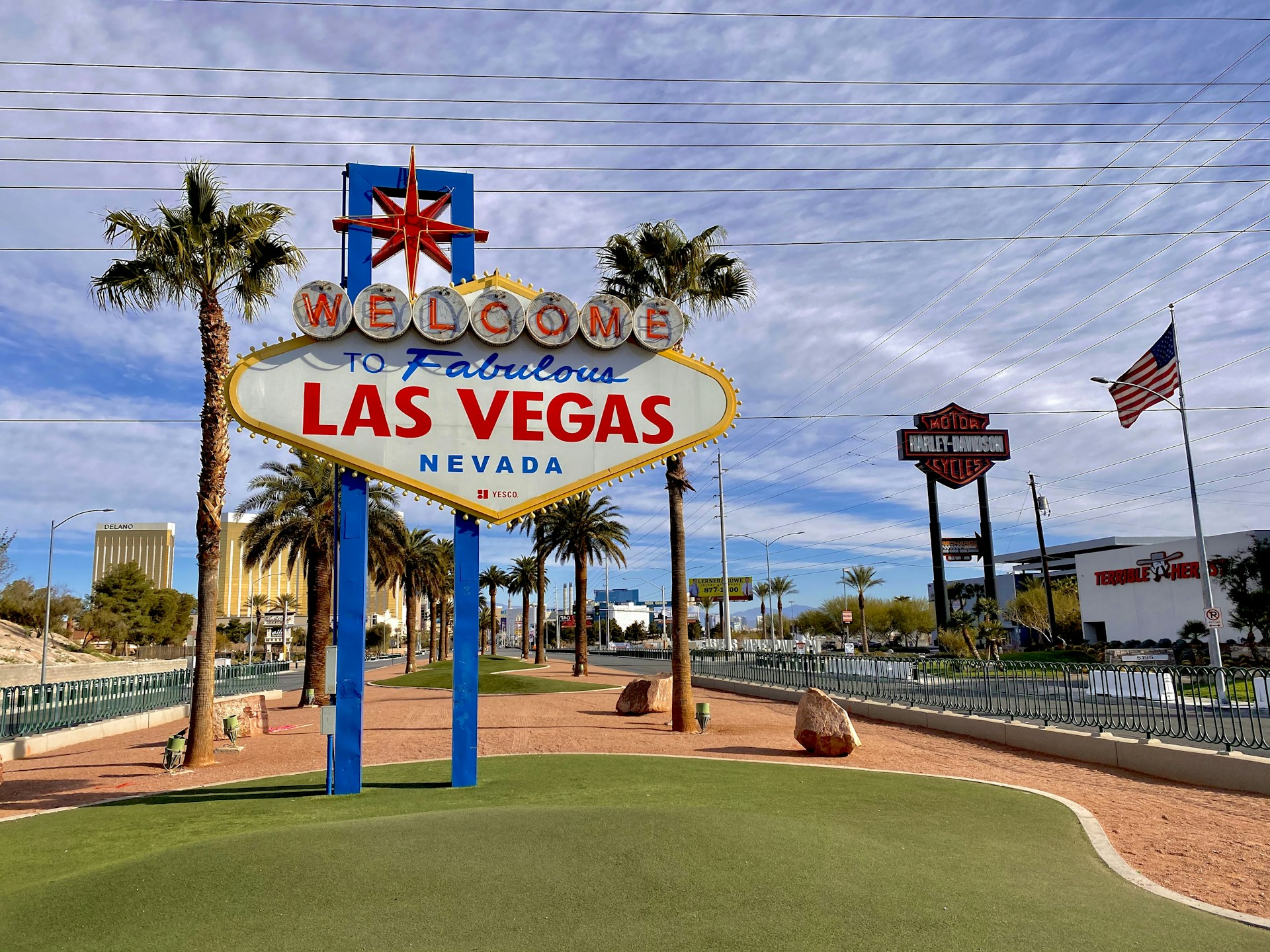
welcome to fabulous las vegas nevada signage

Unlike most countries, the United States does not follow a single national time zone. The country spans six main time zones, meaning the time can differ by up to six hours between the east and west coasts. This makes the United States one of the most time zone complex nations in the world for scheduling, business, and travel.

United States Time Zones – EST, CST, MST, PST and More

Most of the United States observes daylight saving time (DST), with clocks moving forward one hour on the second Sunday of March and back one hour on the first Sunday of November. The exceptions are Arizona (excluding the Navajo Nation) and Hawaii, which do not observe daylight saving time and remain on a fixed UTC offset throughout the entire year.

Understanding the US Time Zone Map

The United States time zone boundaries do not follow perfectly straight geographic lines. They zigzag around state borders, county lines, and geographic features in ways that can create some genuinely surprising and counterintuitive results that catch even experienced travelers and business professionals off guard.

Indiana's Complex History: Indiana was historically divided between the Eastern and Central time zones for decades, with different counties following different rules. The state only fully adopted Eastern Time statewide in 2006, making it one of the most complicated time zone histories of any US state. Even today, a small number of Indiana counties near Chicago observe Central Time rather than Eastern Time.

Arizona's Year-Round Exception: Arizona observes Mountain Standard Time (UTC-7) year-round and does not move its clocks forward during daylight saving time. This means that for part of the year, Arizona shares the same time as California (Pacific Time) rather than its neighbouring Mountain Time states. The exception within the exception is the Navajo Nation, a large Native American territory that spans parts of Arizona, Utah, and New Mexico — the Navajo Nation does observe daylight saving time, creating a time zone boundary that runs through the middle of Arizona itself.

Florida's Split Time Zone: Most people assume Florida is entirely on Eastern Time. However, the western Florida Panhandle — the narrow strip of land west of the Apalachicola River — observes Central Time, not Eastern Time. This means that cities like Pensacola are on a different time zone from Miami, Tampa, and Orlando, despite all being in the same state.

Kentucky and Tennessee: Both Kentucky and Tennessee are partially divided between Eastern and Central time zones. The western portions of both states observe Central Time, while the eastern portions observe Eastern Time. This creates situations where residents of the same state, only a few hundred kilometres apart, are living in different time zones.

Alaska's Unique Position: Alaska has its own dedicated time zone — Alaska Standard Time (AKST) at UTC-9 — which sets it one hour behind the Pacific Time zone. During daylight saving time it shifts to Alaska Daylight Time (AKDT) at UTC-8. The westernmost tip of Alaska, including the Aleutian Islands, is so far west that it is actually in the same time zone as Hawaii despite being geographically much further north.

Hawaii's Stability: Hawaii is the only US state that never changes its clocks. It observes Hawaii Standard Time (HST) at UTC-10 year-round with no daylight saving adjustment. This means the time difference between Hawaii and the US East Coast changes depending on the time of year — it is 5 hours during eastern standard time and 6 hours during eastern daylight time.

New York Business Hours and Market Trading Times

Understanding business hours in the United States is essential for anyone coordinating internationally, particularly for finance, investment, and global trade.

Standard US Business Hours: Most offices and businesses across the United States operate Monday to Friday, 9 AM to 5 PM in their local time zone. However, industries like finance, technology, media, and healthcare often operate well beyond standard hours, particularly in major cities like New York, Los Angeles, and Chicago.

New York Stock Exchange (NYSE) Trading Hours:

  • Opens: 9:30 AM EST/EDT

  • Closes: 4:00 PM EST/EDT

  • Pre-market trading: 4:00 AM – 9:30 AM

  • After-hours trading: 4:00 PM – 8:00 PM

NASDAQ Trading Hours:

  • Same as NYSE: 9:30 AM – 4:00 PM EST/EDT

What NYSE trading hours mean for the rest of the world:

What the United States is Famous For

  • New York City – The world's financial and cultural capital, home to Wall Street, Broadway, Times Square, Central Park, and the Statue of Liberty

  • Hollywood – The global centre of the film and television entertainment industry, based in Los Angeles, California

  • Silicon Valley – The world's leading technology and innovation hub, home to Apple, Google, Meta, Netflix, and thousands of startups

  • NASA and Space Exploration – The United States landed the first humans on the moon in 1969 and continues to lead global space exploration through NASA and private companies like SpaceX

  • The Grand Canyon – One of the world's most spectacular natural wonders, carved over millions of years by the Colorado River in Arizona

  • Yellowstone National Park – The world's first national park, established in 1872, home to geysers, hot springs, and extraordinary wildlife including bison, wolves, and grizzly bears

  • The White House – The official residence and workplace of the President of the United States, located in Washington D.C.

  • Route 66 – The iconic highway stretching from Chicago to Los Angeles, a symbol of American road trip culture and freedom

  • Jazz and Hip-Hop – Two of the most globally influential music genres ever created, both born in American cities and now heard on every continent

  • Thanksgiving and Fourth of July – Two of the most celebrated national holidays, reflecting the country's history, values, and cultural identity

a large hollywood sign on a hill with a blue sky in the background

United States Weather and Seasons

The United States experiences an extraordinarily wide range of climates and weather conditions due to its vast geographic size. What is happening weather-wise in one part of the country can be completely different from another part at exactly the same time.

Northeast and East Coast (New York, Boston, Washington D.C.): The northeastern United States experiences four distinct seasons. Winters are cold with regular snowfall, particularly in cities like Boston and Buffalo. Spring brings mild temperatures and occasional rain. Summers are warm and humid, with temperatures regularly reaching 30°C (86°F) or higher in July and August. Autumn is spectacular, with vivid foliage across New England making it one of the most visited seasons for tourism.

Southeast (Florida, Georgia, Alabama): The southeastern United States is significantly warmer and more humid than the northeast. Florida enjoys a subtropical to tropical climate, with warm temperatures year-round and a distinct wet season from June to September coinciding with the Atlantic hurricane season. Winters in Florida are mild and dry, making it a popular destination for northern Americans escaping the cold.

Midwest and Great Plains (Chicago, Kansas, Nebraska): The central United States experiences extreme temperature swings between seasons. Winters can be brutally cold, particularly in states like Minnesota and North Dakota where temperatures regularly drop below -20°C (-4°F). Summers are hot and humid. The Great Plains region is also known as Tornado Alley, experiencing a high frequency of tornadoes particularly during spring and early summer.

Southwest (Arizona, New Mexico, Nevada): The southwestern United States is characterised by hot, dry desert climates. Phoenix, Arizona regularly records summer temperatures above 45°C (113°F), making it one of the hottest cities in North America. Las Vegas, Nevada sits in the Mojave Desert and experiences similar extreme heat. Winters in the Southwest are mild and dry, making the region a popular winter destination.

West Coast (California, Oregon, Washington): California's climate varies significantly from north to south. Southern California, including Los Angeles and San Diego, enjoys a Mediterranean climate with warm, dry summers and mild, wet winters. Northern California and the Pacific Northwest experience more rainfall and cooler temperatures. Seattle, Washington is famously known for its grey, rainy winters, while Portland, Oregon sits in the moderate Willamette Valley.

Alaska and Hawaii: Alaska experiences subarctic and arctic conditions across much of its territory, with extremely cold winters and surprisingly warm summers in interior regions. Hawaii, despite being the southernmost US state, enjoys a consistently tropical climate year-round, with temperatures rarely dropping below 20°C (68°F) even in winter.

Mount Rushmore

Interesting Time Facts About the United States

  • The United States is one of only a handful of countries in the world that spans more than 5 time zones across its mainland and territories

  • The phrase "New York minute" is a popular American expression meaning an extremely short period of time, reflecting the city's famously fast pace of life

  • New York's Times Square New Year's Eve Ball Drop is watched live by over one billion people worldwide every year, making it one of the most viewed timezone events on the entire planet

  • When it is noon in New York, it is simultaneously only 9 AM in Los Angeles, 7 AM in Honolulu, and already 5 PM in London — demonstrating how the US time zone spread mirrors an entire continent

  • The United States briefly experimented with year-round daylight saving time in 1974 during the energy crisis, but public opposition — particularly from parents sending children to school in the dark — led to its reversal within a year

  • Benjamin Franklin is often credited with first proposing the concept of daylight saving time in a satirical essay written in 1784, though the modern version of DST was not implemented until World War One

  • Arizona's decision not to observe DST was partly motivated by air conditioning costs — an extra hour of evening sunlight in an already extremely hot desert climate would significantly increase energy consumption

  • The International Date Line runs through the Pacific Ocean, meaning that parts of the US territory in the Pacific Islands are among the last places on earth to begin each new day

Frequently asked questions

How many time zones does the United States have?

The United States has six main time zones: Eastern (EST/EDT), Central (CST/CDT), Mountain (MST/MDT), Pacific (PST/PDT), Alaska (AKST/AKDT), and Hawaii (HST). Including US territories such as Puerto Rico and Guam, there are additional time zones beyond these six.

Why does Arizona not observe daylight saving time?

Arizona opted out of daylight saving time primarily because the extra hour of evening sunlight during summer would significantly increase demand for air conditioning in an already extremely hot desert climate, raising household and business energy costs substantially. The state legislature voted to exempt Arizona from the Uniform Time Act in 1968.

Does the entire United States observe daylight saving time?

No. Arizona, with the exception of the Navajo Nation, and Hawaii do not observe daylight saving time. All other US states follow the standard DST schedule, moving clocks forward one hour in March and back one hour in November each year.

What is the time difference between New York and Los Angeles?

New York (Eastern Time) is always exactly three hours ahead of Los Angeles (Pacific Time). Both cities observe daylight saving time simultaneously each year, so the three-hour gap never changes regardless of the time of year.

What is the most populated US time zone? Eastern

Time is the most populated US time zone by a significant margin. It covers major cities including New York, Miami, Boston, Atlanta, Washington D.C., Philadelphia, and Detroit, representing approximately 50 percent of the total US population.

What is the best time to call the US from Australia?

The best time to call the US East Coast from Australia is early morning in Australia, which corresponds to late afternoon or early evening in New York. For example, 7 AM in Sydney corresponds to approximately 5 PM the previous day in New York during Australian Eastern Standard Time.

What time zone is Washington D.C. in?

Washington D.C., the capital of the United States, observes Eastern Time — EST at UTC-5 during winter and EDT at UTC-4 during daylight saving time from March to November.

Is New York the capital of the United States?

No. Washington D.C. is the capital of the United States. New York City is the largest city in the country and the financial and cultural capital, but it is not the national capital. Albany is the capital of New York State.

Explore More Country Time Zones